

Prostate Conditions

Dr Jonathan Teo
Dr Jonathan Teo
Medical Director & Consultant Urologist
MBBS (S’pore), MRCS (Edin), FRCS-Urol (Glas), FAMS (Urol)

Could Your Symptoms Be Related to Your Prostate?

Changes in urinary habits can raise questions about prostate health, particularly as men get older. Yet similar symptoms may arise from different conditions, and some prostate problems develop without noticeable symptoms.

Benign prostatic hyperplasia (BPH), prostatitis and prostate cancer affect the gland differently and do not necessarily require the same approach to care.

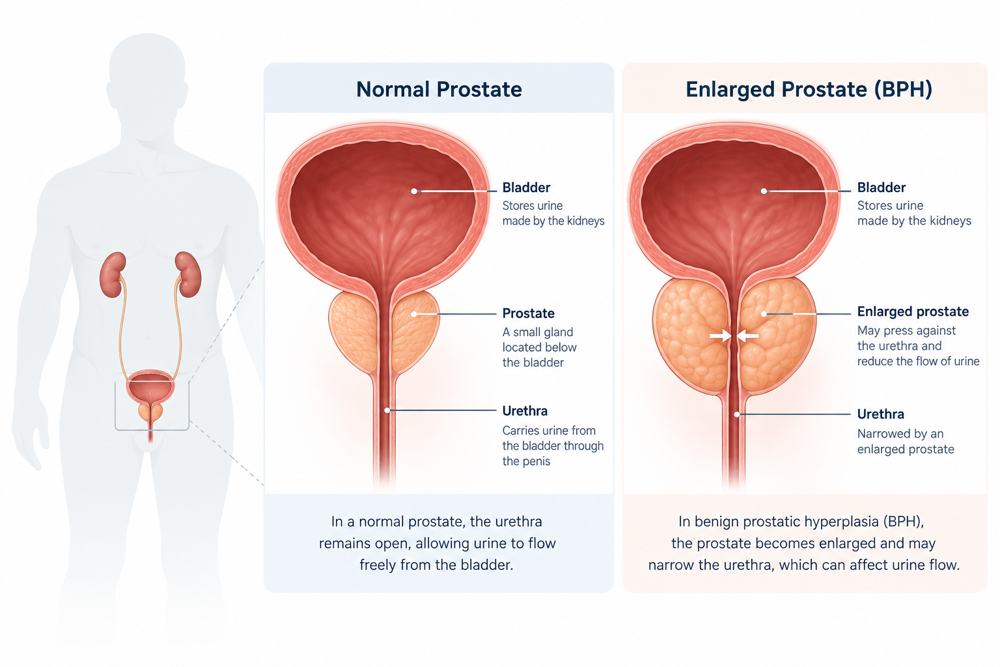
Diagram comparing a normal prostate with an enlarged prostate, showing the bladder, prostate and urethra

Common Conditions That Affect the Prostate

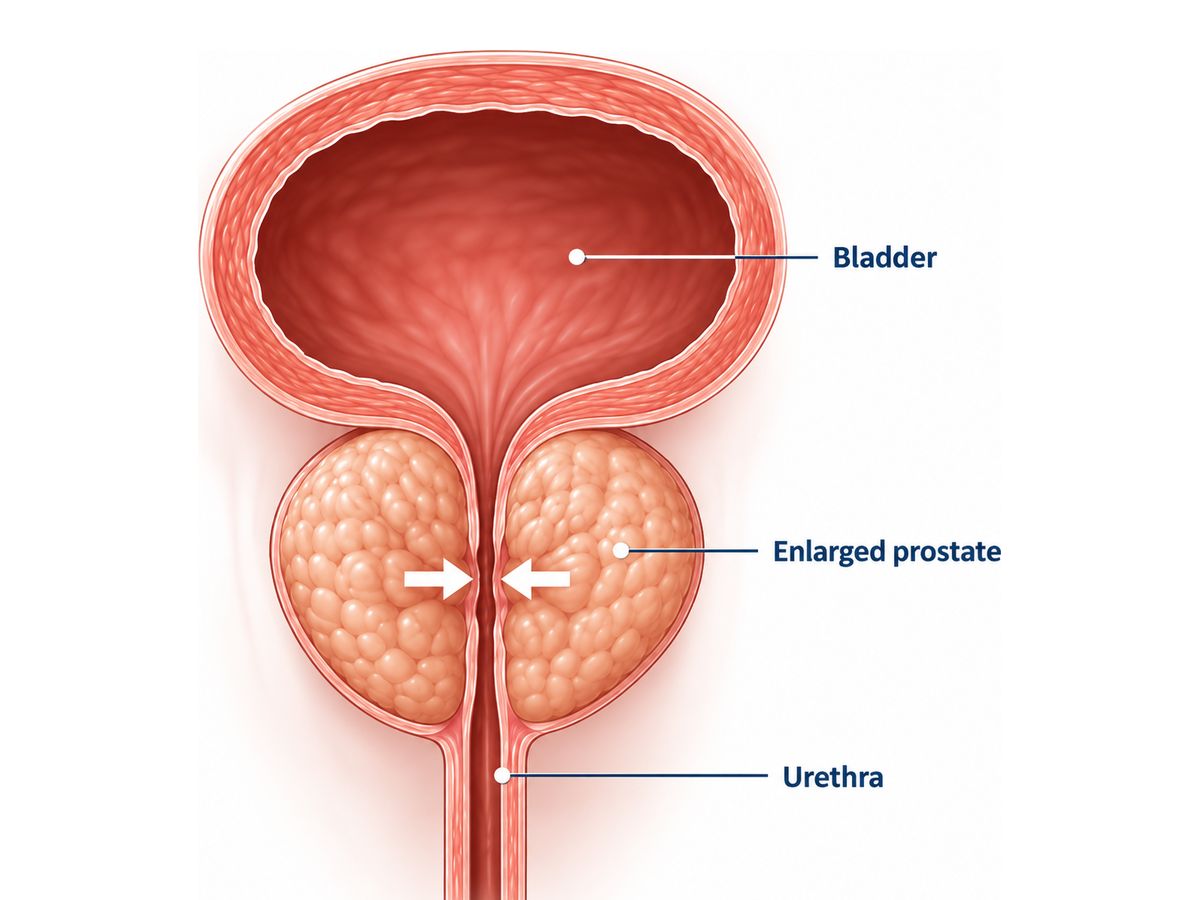
Illustration of an enlarged prostate narrowing the urethra

Benign Prostatic Hyperplasia (BPH)

BPH is a non-cancerous enlargement of the prostate that becomes more common with age.

Hormonal changes contribute to prostate growth, although the exact causes are not fully understood. Enlargement may narrow the urethra and affect urine flow.
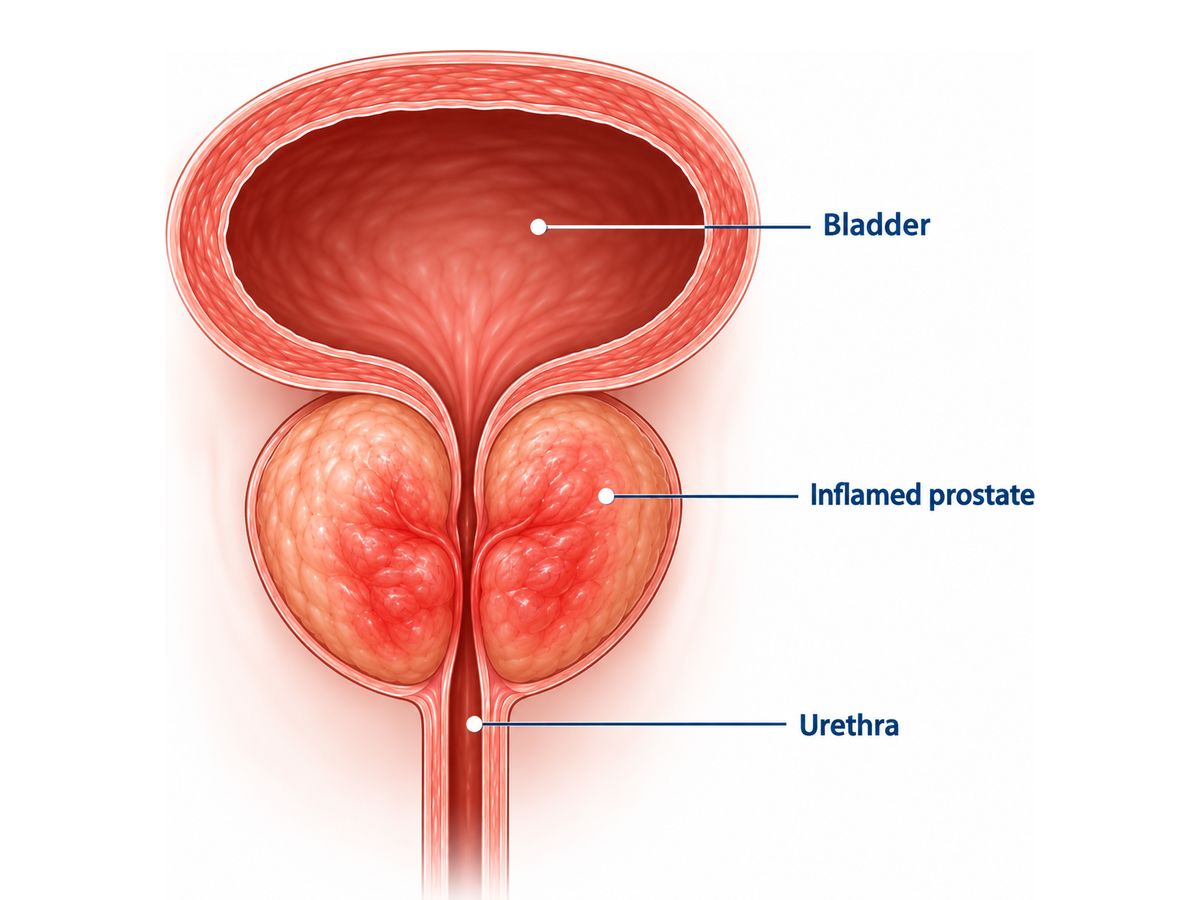
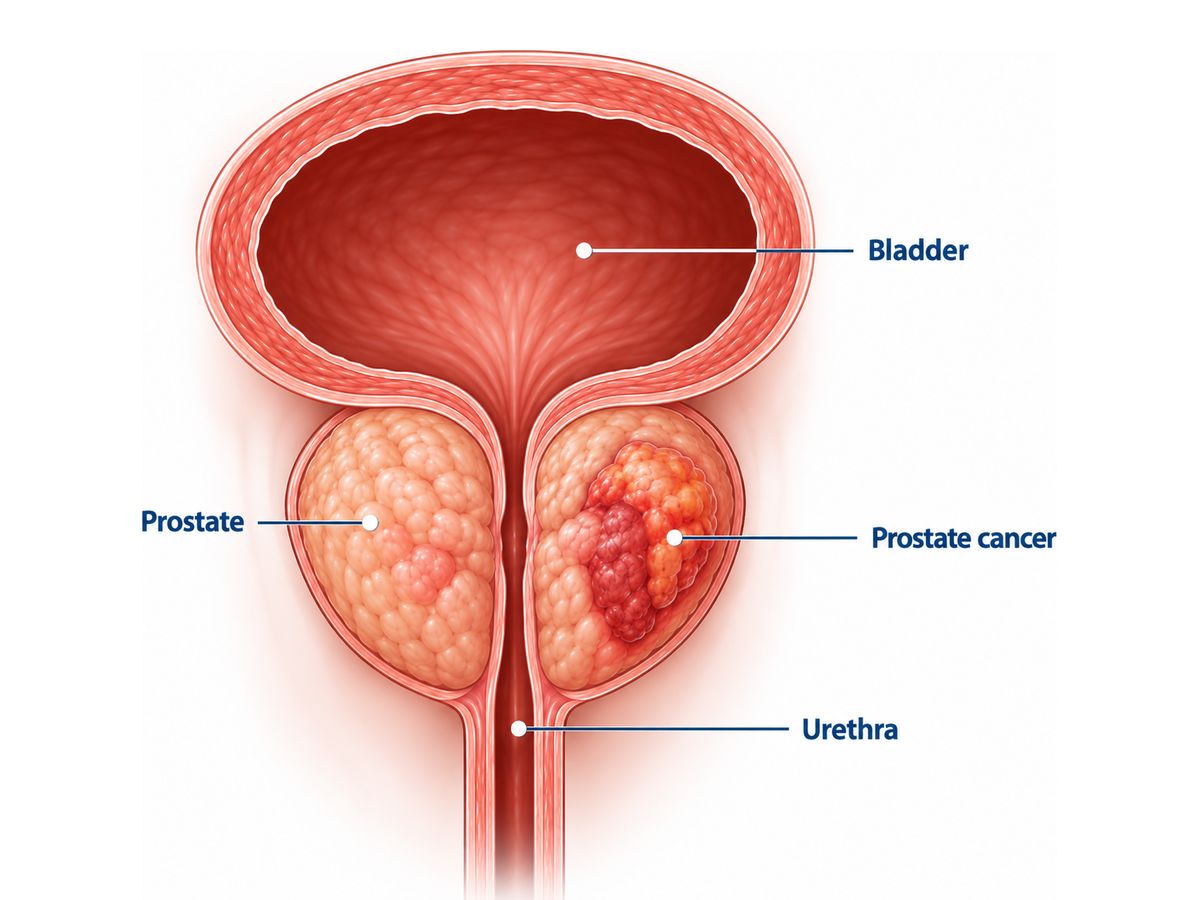
Illustration of an inflamed prostate

Prostatitis

Prostatitis involves inflammation of the prostate, sometimes due to bacterial infection.

Chronic prostatitis / chronic pelvic pain syndrome can also cause persistent pelvic discomfort without an identifiable bacterial infection.

Illustration of a tumour within the prostate

Prostate Cancer

Prostate cancer develops when abnormal cells grow within the gland.

Age, family history and certain inherited genetic changes can increase the risk. Some cancers progress slowly, although others may behave more aggressively.

Unsure Whether Your Symptoms Need Attention?

Urinary changes can be difficult to interpret on your own. Speak with Dr Jonathan Teo about what you’ve noticed and whether an assessment may be appropriate.

Recognising Changes in
Prostate Health

Prostate conditions don’t always show themselves in the same way. Noticing how your urinary habits or comfort change over time can help you and your doctor decide whether further assessment is needed.

Common changes include:

  • Urinary difficultiesA weak stream, difficulty starting urination or incomplete bladder emptying may occur with BPH and other urinary conditions.
  • Increased urinary frequencyNeeding to urinate more often, particularly at night, may be associated with prostate enlargement.
  • Pain and discomfortPelvic pain, burning during urination or discomfort during ejaculation may be associated with prostatitis.
  • Blood in the urine or semenThese symptoms warrant medical assessment, as they can arise from conditions affecting the urinary or reproductive system.

Early prostate cancer often causes no noticeable symptoms. Men with relevant risk factors, including a family history of prostate cancer, may benefit from discussing screening even without urinary complaints.

Identifying
the Underlying Cause

The choice of investigations depends on the clinical findings and suspected prostate condition.

Assessment may include:

  • Physical examinationA digital rectal examination (DRE) may be performed to assess the prostate’s size, texture and any unusual findings.
  • Urine testsTo check for infection, blood or other abnormalities.
  • Blood testsA prostate-specific antigen (PSA) test may be considered where appropriate. An elevated PSA level does not necessarily indicate cancer.
  • Urinary function testsUroflowmetry and post-void residual measurements may help assess urine flow and bladder emptying.
  • Imaging and further investigationsUltrasound, prostate MRI or biopsy may be recommended in selected cases, depending on the clinical findings.

Once the underlying condition has been identified, the findings can help determine whether treatment is needed and which approaches may be appropriate.

Frequently Asked Questions About Prostate Conditions

Can an enlarged prostate turn into prostate cancer?

No. Benign prostatic hyperplasia (BPH) is not cancer and does not develop into prostate cancer. However, both conditions can occur in the same person. Having BPH does not rule out the possibility of prostate cancer.

Can prostate problems affect sexual function?

Yes. Certain prostate conditions may be associated with painful ejaculation, erectile difficulties or changes in sexual function. Some prostate treatments can also affect ejaculation or erections. The effects depend on the underlying condition and the treatment involved.

Can haemorrhoids be mistaken for prostate problems?

Haemorrhoids and certain prostate conditions can cause discomfort in nearby areas. Haemorrhoids typically cause anal itching, bleeding or pain, whereas prostatitis may cause deeper pelvic or perineal discomfort. Haemorrhoids do not cause prostate enlargement, inflammation or cancer.

Dr Jonathan Teo, Medical Director and Consultant Urologist

Meet Our Doctor

Dr Jonathan Teo

Medical Director & Consultant Urologist

MBBS (S’pore), MRCS (Edin), FRCS-Urol (Glas), FAMS (Urol)

Dr Jonathan Teo evaluates suspected prostate conditions, including benign prostatic hyperplasia (BPH), prostatitis and prostate cancer. His approach takes into account how symptoms have developed and the findings from clinical investigations to determine whether further assessment is needed.

Dr Teo also participates in international urology conferences and professional exchanges, keeping him engaged with developments in urological care. These opportunities provide exposure to different clinical perspectives that inform his approach to prostate health.

More About Dr Teo

Get Clarity on Your Prostate Health

Unexplained urinary changes or abnormal screening results may warrant further assessment. Consult Dr Jonathan Teo to understand what your findings may indicate.

Urology Practice

3 Mount Elizabeth, #04-09
Mount Elizabeth Medical Centre,
Singapore 228510

820 Thomson Road, #03-08
Mount Alvernia Medical Centre A,
Singapore 574623

Operating Hours

Mon – Fri : 9.00AM – 12.30PM
2.00PM – 5.00PM
Sat : 9.00AM – 12.00PM

Closed on Sundays and Public Holidays

Send us an enquiry today and our clinic team will get in touch with you regarding your appointment.